
frosted bronze glass
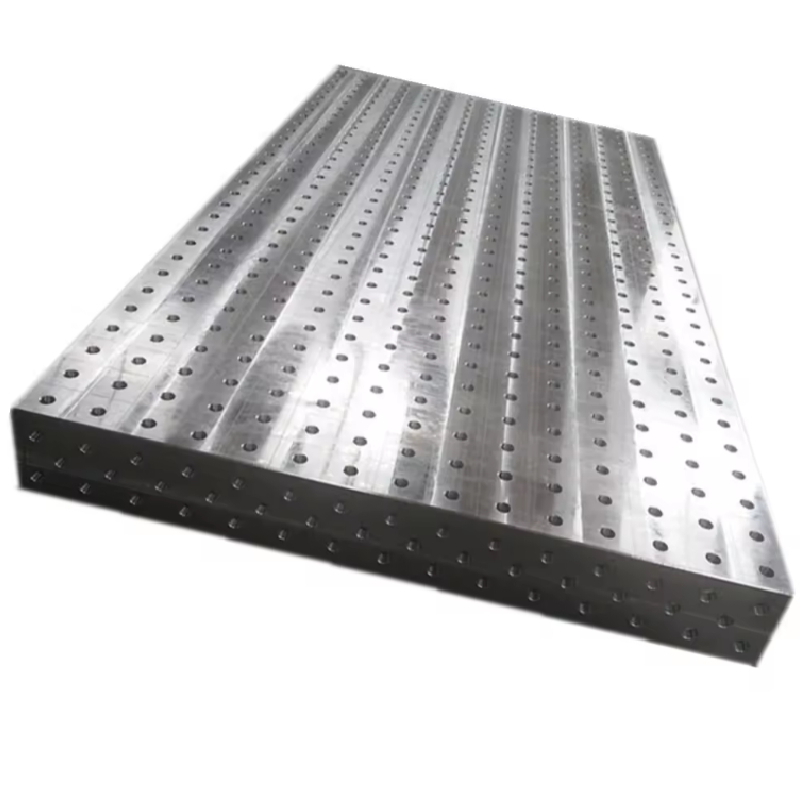
Understanding Steel Fabrication A Comprehensive Overview Steel fabrication is a crucial process in construction and manufacturing, involving the transformation of raw steel into a final product that meets specific requirements. This process encompasses several steps, and understanding the fabrication table is essential for professionals in the industry. At its core, steel fabrication involves cutting, bending, welding, and assembling steel components to create structures or parts. The fabrication table serves as a blueprint or reference guide that outlines various aspects of steel components, including dimensions, tolerances, material specifications, and finishing requirements. This detailed information helps ensure that every piece fits perfectly and performs its intended function within a larger assembly. Understanding Steel Fabrication A Comprehensive Overview The dimensions and tolerances listed in a fabrication table are equally important. Precise measurements are critical in steel fabrication to ensure that components fit together correctly. Tolerances define acceptable variations from specified dimensions, allowing for variations that inevitably occur during cutting, bending, or welding. A well-defined tolerance ensures that the final product meets engineering standards and functions correctly. steel fabrication table Welding is another vital part of the steel fabrication process. The fabrication table often includes welding specifications, detailing the type of welds to be used, the welding techniques, and the filler materials. These specifications help ensure that the joints created between steel components are strong and reliable. Different industries may require specific welding standards, making it essential for fabricators to adhere to guidelines such as those from the American Welding Society (AWS). In addition to these components, the fabrication table may also include information on surface finishes. Depending on the intended use of the steel product, finishing treatments like galvanizing, painting, or powder coating may be necessary to enhance corrosion resistance or aesthetic appeal. These treatments not only protect the steel but can also extend its lifespan in demanding environments. Finally, the fabrication table may outline the quality control measures that need to be implemented during the fabrication process. This includes inspections at various stages of production to ensure that the steel components meet the specified standards and tolerances. Quality assurance is vital in preventing costly errors and ensuring the safety and reliability of the final structure. In conclusion, the steel fabrication table is an essential tool for professionals in the industry. By understanding the various elements it encompasses—from material specifications to quality control—fabricators can ensure that their products meet both the functional and regulatory requirements of their projects, ultimately contributing to the success of the construction and manufacturing sectors. With the ever-evolving technological landscape, staying updated on fabrication practices and standards will be crucial for future innovations in steel fabrication.
about
frosted bronze glass
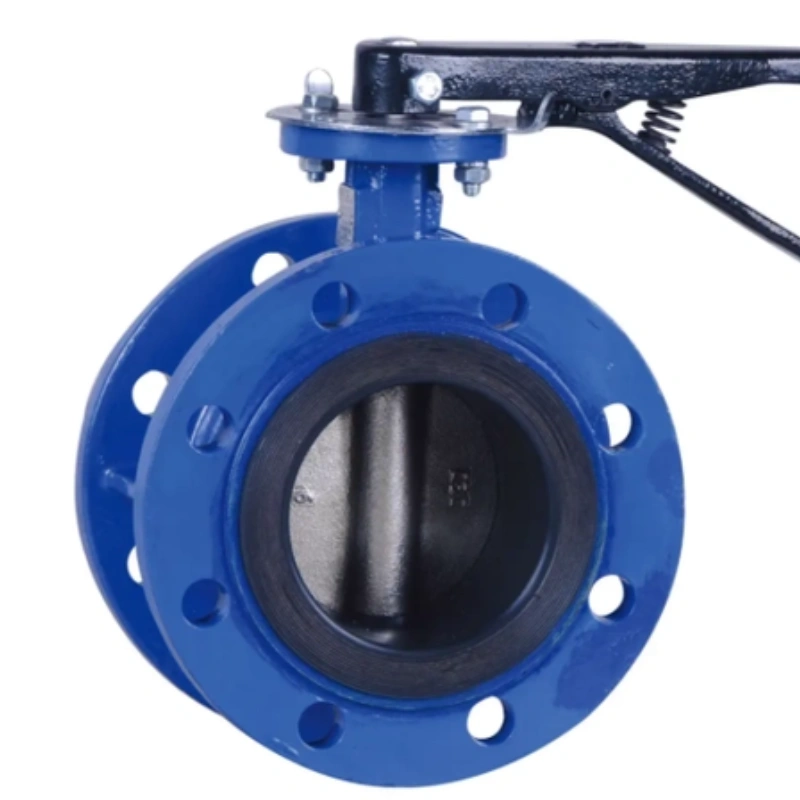
How to Close the Water Valve A Step-by-Step Guide Closing a water valve is an important skill that every homeowner should learn. Whether you're dealing with a plumbing emergency, performing maintenance, or just reducing water flow, knowing how to properly close a water valve can save you time, money, and potential damage to your property. In this article, we'll explore the steps to successfully close a water valve and provide some additional tips for managing your plumbing system effectively. Understanding Water Valves Before we get into the steps, it's essential to understand what a water valve is and its function. A water valve is a mechanical device that controls the flow of water in your plumbing system. Valves can be found in various locations, such as near sinks, toilets, water heaters, and the main water supply line. There are different types of valves, including gate valves, ball valves, and globe valves, each operating slightly differently. - Gate Valve This type of valve is operated by turning the handle in a clockwise direction to close it. Gate valves are typically used for on/off service and are not designed for throttling flow. - Ball Valve This valve uses a spherical disk to stop the flow of water. To close a ball valve, simply turn the handle 90 degrees clockwise. - Globe Valve Globe valves are commonly used for regulating flow. They can be closed by turning the handle clockwise, similar to gate valves. Step-by-Step Guide to Closing a Water Valve 1. Locate the Valve The first step is to locate the water valve you want to close. Common places include under sinks, behind toilets, near appliances, or at the main water supply line. If you're unsure, you can follow the water supply line from the fixture or appliance to find the valve. 2. Assess the Valve Type Once you find the valve, determine which type it is. This will influence how you operate it. Make sure you have a clear understanding of whether it's a gate valve, ball valve, or globe valve. 3. Prepare the Area Before closing the valve, it’s a good idea to clear the area around it. This will give you enough space to maneuver and prevent any accidents . If there's any water leaking, use a towel or a bucket to catch it. how to close the water valve 4. Turn Off the Valve - For a gate valve, grip the wheel handle and turn it clockwise until it won't turn anymore. Don’t force it; just turn until you feel resistance. - For a ball valve, turn the lever handle 90 degrees in the clockwise direction until it’s perpendicular to the pipe. - For a globe valve, turn the handle clockwise until it stops. 5. Check for Leaks After closing the valve, it’s essential to check for leaks. Go back to the fixture or appliance and look for any signs of water escaping. If there’s a leak, tighten the valve handle slightly more or consider replacing the valve. 6. Documentation and Maintenance Make a note of the valve's location and any maintenance you've performed. Regular check-ups of your valves can help ensure their reliability. Additional Tips - Use Caution If the water pressure is high, water may spew out when you first start to turn the valve. Be prepared to handle this and, if necessary, use a towel to mitigate splashing. - Have Tools Ready Sometimes valves can be rusted or stuck. In such cases, having a pair of pliers or a wrench may help. - Know Your Main Valve Always know where your main water shut-off valve is located. In an emergency, being able to quickly shut off all water supply can prevent extensive water damage. - Consider Professional Help If you're unsure about closing a valve or if it seems damaged, it’s wise to consult a professional plumber to avoid complications. In conclusion, closing a water valve is a vital skill that can make a significant difference in maintaining your home’s plumbing system. By following these steps and being aware of your valves, you'll be better equipped to handle any plumbing situation that arises.
-

High quality industrial productsagement

High quality industrial products
View Details -

Meet the diverse needs of customers

Meet the diverse needs of customers
View Details -

Strict quality control

Strict quality control
View Details -

Top raw materials

Top raw materials
View Details -

Trusted supplier

Trusted supplier
View Details
Our application
news and information
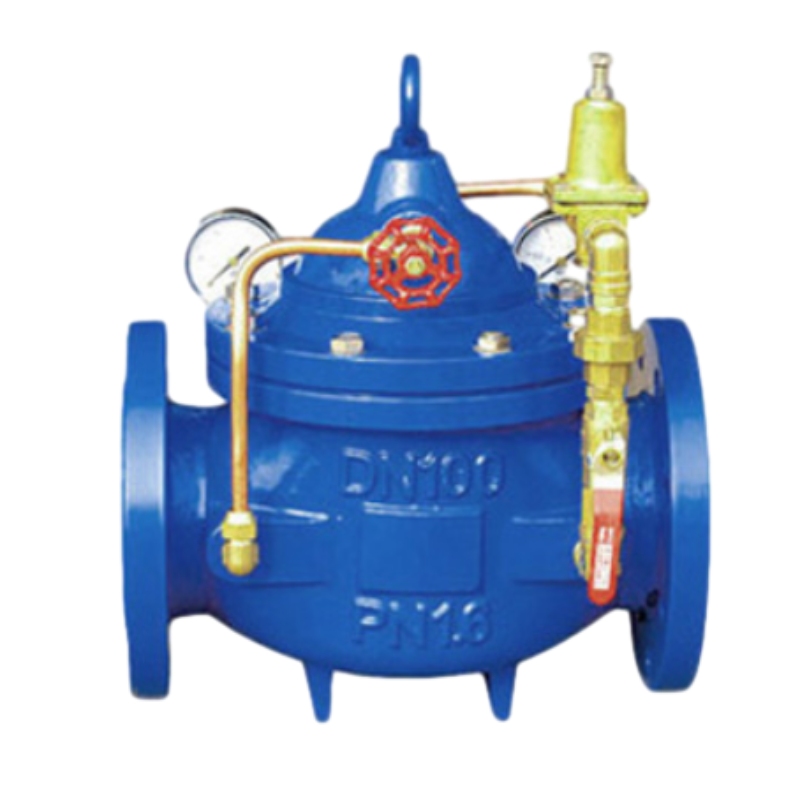
what is water valve
Understanding Water Valves Essential Components for Fluid Control Water valves are crucial devices i
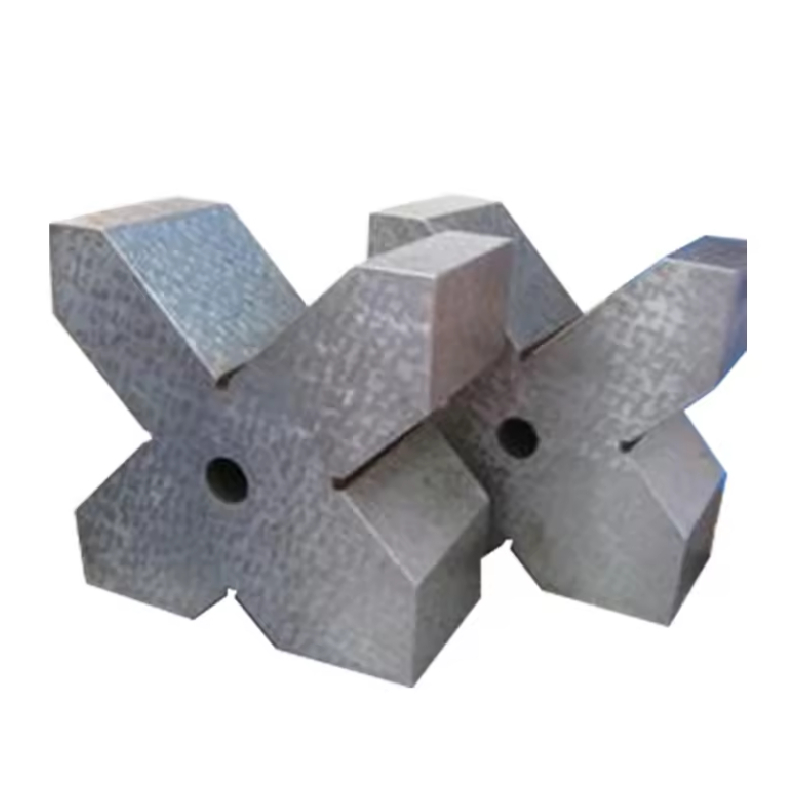
v block v block
Understanding V Block A Fundamental Tool in Manufacturing and Engineering In the world of manufactur
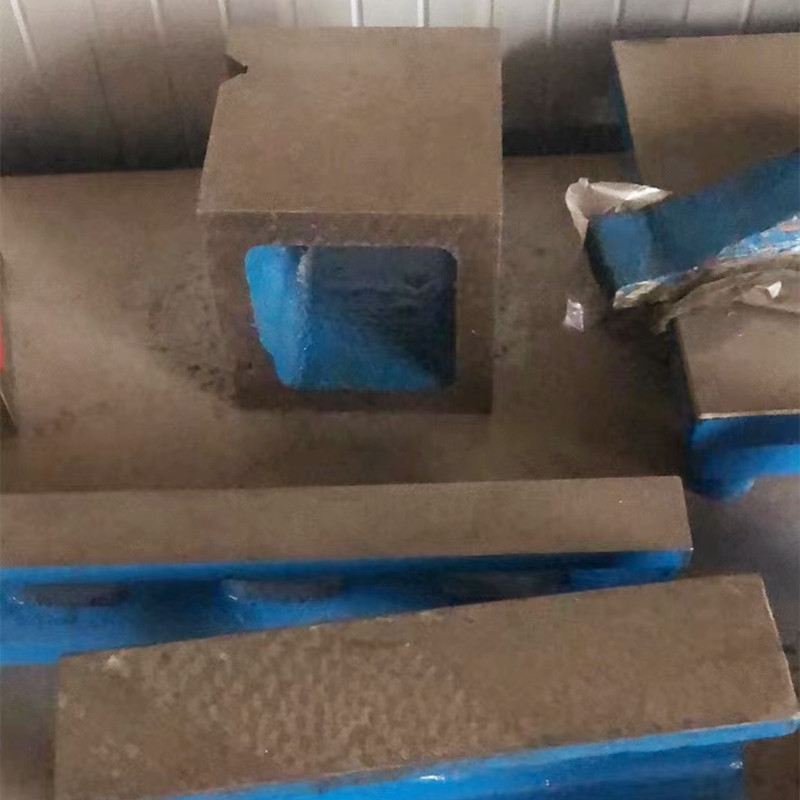
Vanne à guillotine de 8 pouces pour applications industrielles et de plomberie
Vannes à Panneau Couteau de 8 Pouces Un Équipement Essentiel pour l'Industrie Les vannes à panneau
 English